The conversation about where compute lives is changing. For the past decade, the default answer was the cloud: centralize the workload, send it up, get the answer back. That model worked well when latency was acceptable and connectivity was reliable. In the environments where the hardest engineering problems actually get solved, neither of those assumptions holds.
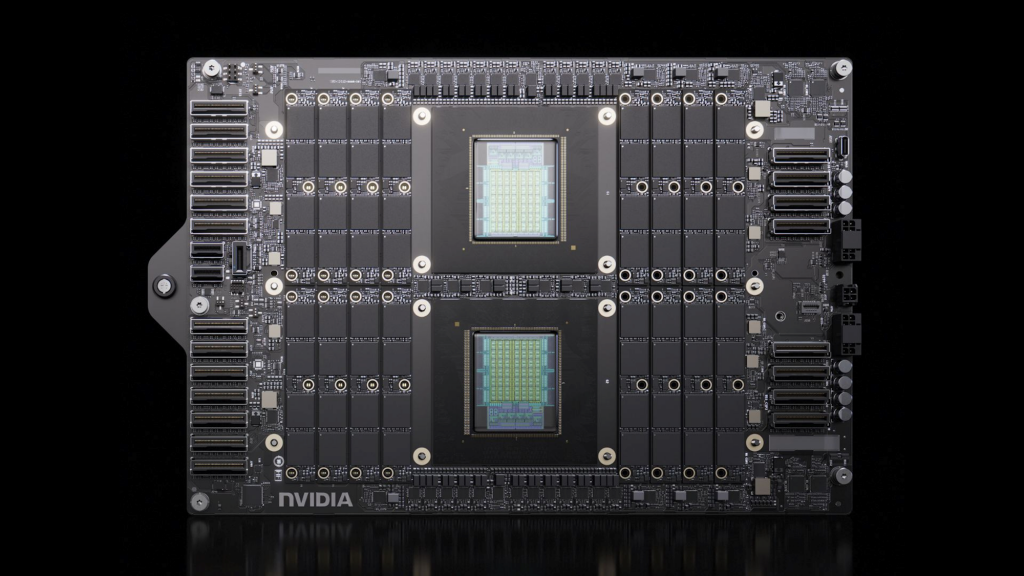
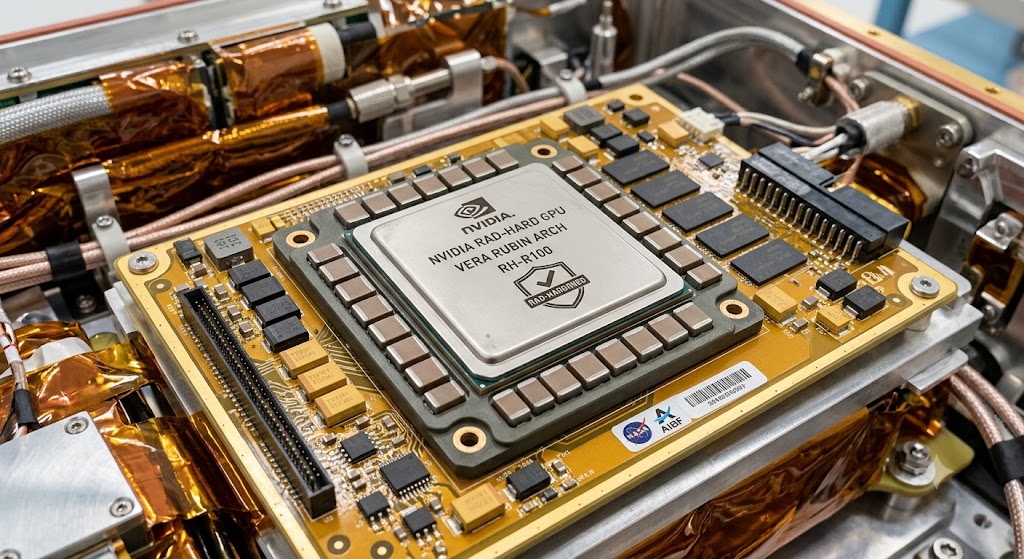
TinyML, running machine learning inference directly on edge hardware rather than routing it through the cloud, is one of the clearest signals of this shift. The appeal is obvious. When a decision needs to happen in milliseconds, in a system that may be physically isolated or operating in a degraded communications environment, waiting for a cloud round trip is not an option. The intelligence needs to live on the device.
But moving compute to the edge introduces a constraint that the cloud largely abstracts away: the algorithm has to run within a fixed power and memory budget on hardware that may be a fraction of the capability of a data center GPU. That is where most approaches run into a wall.
The Algorithm Is the Bottleneck
Legacy simulation and optimization algorithms were designed for a different era of computing. At BQP, we have said this directly: these are algorithms from the pre-smartphone era that have not fundamentally changed in 40 years. They were not designed for modern GPU infrastructure, and they were certainly not designed for edge deployment. When you try to run them in constrained environments, you hit the ceiling quickly.
Quantum-inspired algorithms address this from a different angle. Rather than throwing more hardware at the problem, they extract more performance from the hardware that exists. By applying the mathematical principles of quantum computing to classical CPUs and GPUs, it is possible to achieve meaningful speed and efficiency gains without requiring more powerful hardware. That is directly relevant to edge deployment, where the hardware ceiling is fixed.
This is the practical intersection of TinyML and quantum-inspired computation. The goal is not to replace the edge hardware or redesign the inference pipeline from scratch. It is to make the algorithms running on that hardware more efficient, so that more capable inference becomes possible within the same power and memory constraints.
Making Complexity Invisible to the Engineer
One principle we have built BQP around is abstracting complexity for the people actually deploying the technology. The engineers integrating BQP’s platform into their MATLAB or Python workflows do not need to understand the quantum mathematics underneath. They need the tool to run faster and return better results. That same principle applies at the edge.
The TinyML developer should not need to become a quantum computing expert to benefit from more efficient algorithms. The complexity belongs at the infrastructure layer. The engineer’s job is to solve the problem, not to manage the computational theory behind the solution.
As compute continues to migrate toward the edge, the organizations that will lead are the ones treating algorithmic efficiency as a first-class engineering priority, not an afterthought. The shift is already underway. The question is whether the algorithms running at the edge are ready for the environments they are being asked to operate in.

By Rut Lineswala, Co-Founder and CTO, BQP
About the AuthorRut Lineswala is the Founder and CTO of BQP, a quantum simulation software company delivering quantum-inspired and quantum-native simulation for aerospace, defense, and semiconductor applications. BQP’s platform is deployed with the Air Force Research Laboratory, U.S. Department of Defense, and partners including NVIDIA, IBM, Intel, and MathWorks.
Press Contact:
Ludington Media on Behalf of BQP
Olivia@Ludingtonmedia.com