America’s reliance on imported steel, a material critical for infrastructure, defense, and energy systems, has been a long-standing issue. The traditional coal-based steelmaking process, largely unchanged for centuries, is expensive, energy-intensive, and environmentally impactful. Hertha Metals, a company founded by Laureen Meroueh (SM ’18, PhD ’20 from MIT), is pioneering a revolutionary approach that promises to transform the domestic steel industry.
Streamlining Steel Production with Innovation
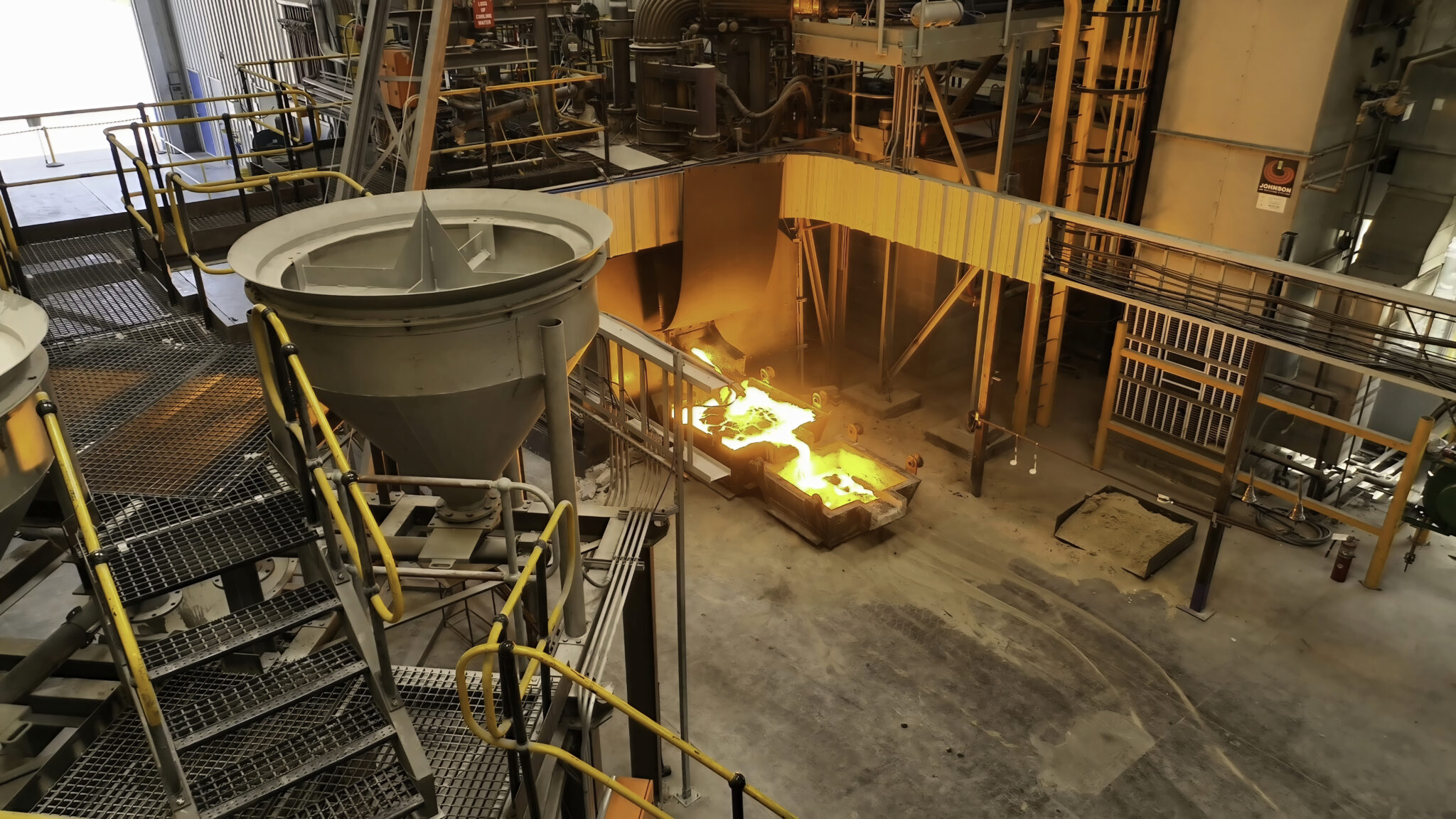
Hertha Metals’ innovative system utilizes natural gas and electricity to produce steel and high-purity iron. The process, which can also be powered by hydrogen, employs a continuous electric arc furnace where iron ore of any grade and format is reduced and carburized into molten steel in a single, streamlined step. This eliminates the need for energy-consuming and dangerous components of traditional systems, such as coking and sintering plants.
Meroueh highlights that this new process uses 30 percent less energy and operates at a lower cost than conventional steel mills in America, making domestic steel production 25 percent more cost-competitive. The key innovation lies in performing gaseous reduction while the iron oxide is in a molten liquid state, a significant departure from conventional methods that reduce solid iron ore. This allows Hertha’s process to use any grade or format of iron ore, as everything occurs in the molten phase. The system is also modular and features a built-in power plant that recycles natural gas to regenerate electricity, leading to a 35 percent energy recovery and minimizing grid power demand.
Onshoring Critical Materials and Ambitious Timelines
Since late 2024, Hertha Metals has been operating a 1-tonne-per-day pilot plant near Houston, Texas, marking it as the world’s largest demonstration of a single-step steelmaking process. The company is poised to begin construction on a larger plant this year, projected to produce 10,000 tons of steel annually and reach full production capacity by the end of 2027. This plant will also produce high-purity iron, a crucial component for permanent magnets used in various high-tech industries, further reducing America’s dependence on foreign imports.
Meroueh emphasizes the critical need for domestic production of high-purity iron, noting that 70 percent of a neodymium magnet, by weight, is high-purity iron, which America currently does not produce. Hertha’s pilot plant has already successfully produced this material, with plans to scale production to meet approximately a quarter of the projected U.S. demand for magnets by 2030.
Looking further ahead, Hertha Metals aims to partner with existing steel manufacturers to build a full-scale commercial steel plant capable of producing around half a million tons of steel annually, with an expected operational date by 2030. The company envisions integrating its melt shop into existing steel mill infrastructure, leveraging the billions of dollars already invested in downstream equipment. Ultimately, Hertha plans to scale to 2 million tons per year, economically outcompeting traditional production processes.
Hertha Metals, named after 19th-century physicist and electric arc pioneer Hertha Ayrton, represents a significant leap forward in sustainable and economically viable steel production, promising to strengthen America’s industrial independence and reduce its environmental footprint.
Original article: A new way to make steel could reduce America’s reliance on imports