Update on the DeepSeek-NVIDIA H200 Deal
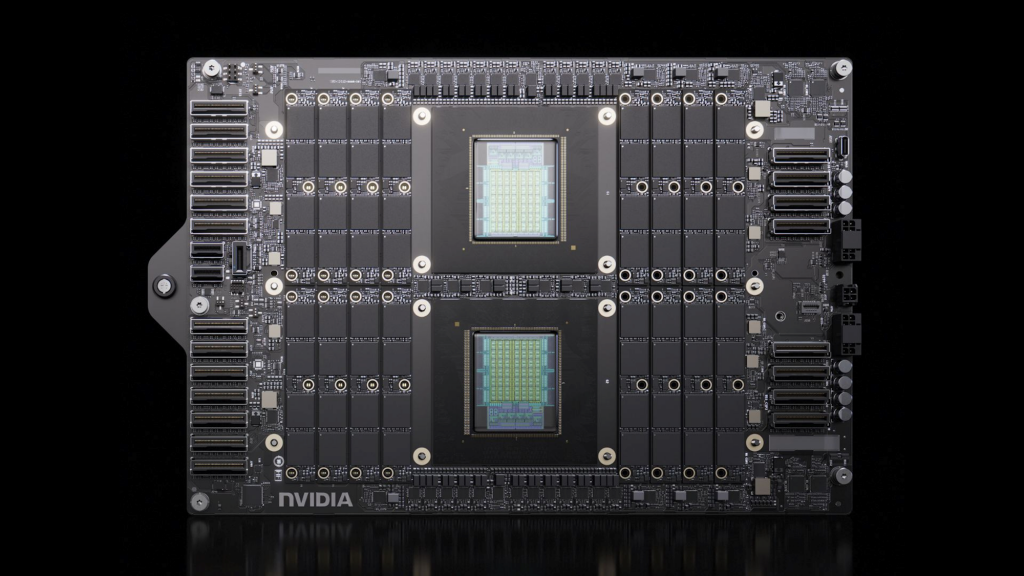
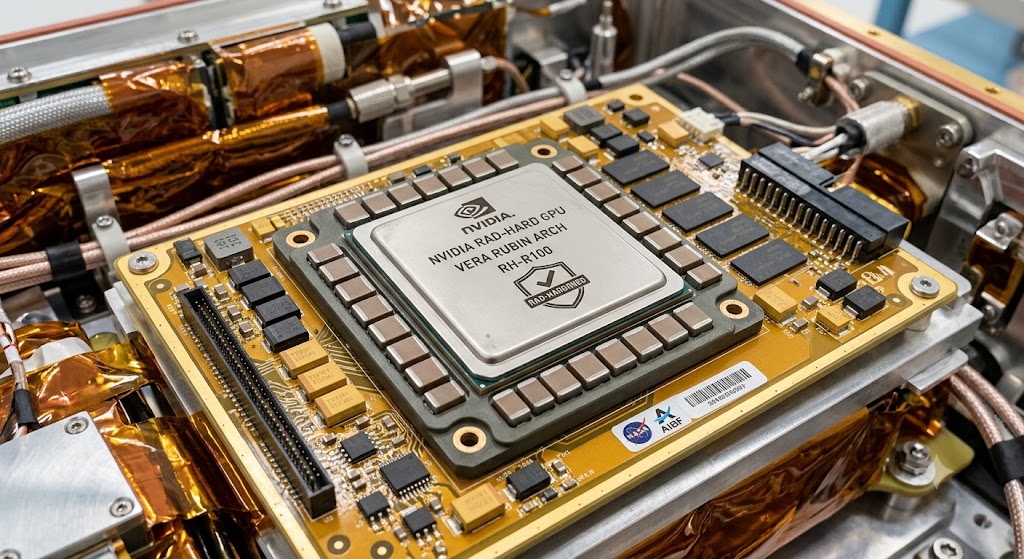
As of January 30, 2026, sources report that China’s Ministry of Industry and Information Technology (MIIT) and the Ministry of Commerce (MOC) have granted “conditional approval” for DeepSeek, along with ByteDance, Alibaba, and Tencent, to purchase NVIDIA’s H200 AI chips.
Key updates from sources:
-
The “Catch”: The National Development and Reform Commission (NDRC) is currently finalizing regulatory conditions. These likely involve monitoring chip usage to ensure they are used for commercial AI development rather than restricted military applications.
-
Volume: Reports suggest the four companies have been cleared to purchase over 400,000 H200 chips, with total Chinese demand estimated at nearly 2 million units.
-
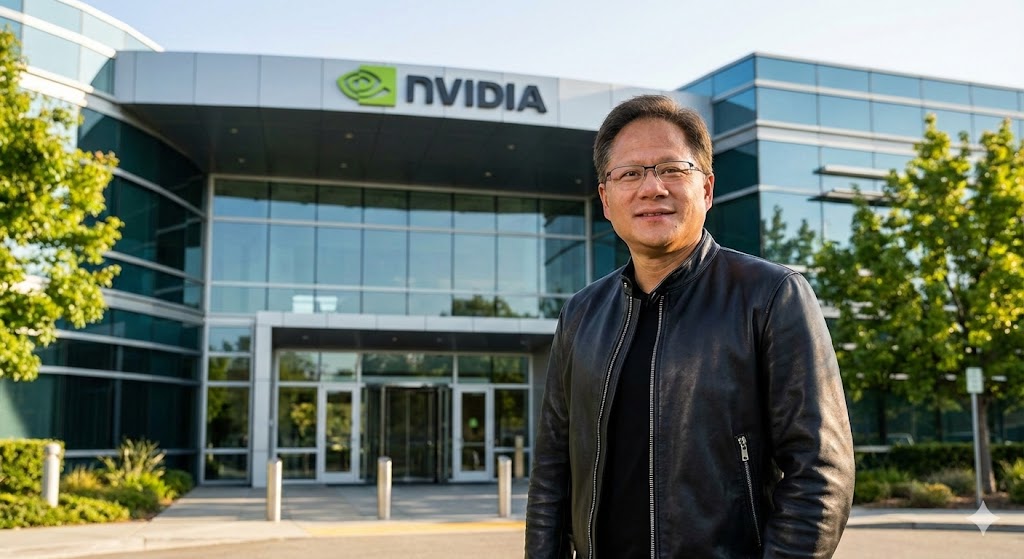
NVIDIA’s Position: CEO Jensen Huang indicated that while he hasn’t received formal confirmation, he believes the licensing is being finalized. This follows a period where NVIDIA’s China revenue had plummeted toward 0% due to local regulatory pushback and US export shifts.
-
Strategic Shift: This move signals a “thaw” in Beijing’s policy, which previously mandated that domestic firms prioritize local AI semiconductors like those from Huawei.
Market Summary: Chips, Trade, and Global Rebalancing (300 Words)
The conditional approval of NVIDIA’s H200 chips for DeepSeek and other Chinese giants marks a strategic “accord” that stabilizes the volatile chip market. For NVIDIA, this move restores access to its most critical growth market, validating its diplomacy in navigating the US-China tech rivalry. For DeepSeek, access to H200s—despite their “efficiency-first” reputation—reinforces the “scaling law” of AI, suggesting that even the most efficient models require massive hardware power to lead the next generation of reasoning LLMs.
Simultaneously, the UK-China trade deal, solidified during Prime Minister Keir Starmer’s January 2026 visit to Beijing, represents a broader “reset” in Western relations. By signing the “Big Market for All” Memorandum, the UK became the first first-world nation to formalize a mechanism for identifying high-quality exports to China. With AstraZeneca pledging a $15 billion investment and China offering visa-free travel and whisky tariff cuts, the deal prioritizes economic pragmatism over the “de-risking” rhetoric of the previous years.
This shift has profound implications for global markets. As China opens a broad range of trade deals with “first-world” nations—including Canada, Finland, and South Korea—a new “selective engagement” model is emerging. US allies are increasingly securing bilateral pacts to hedge against unpredictable US trade policies and high tariffs. This trend is creating a bifurcated yet interconnected global economy: while the US and China remain locked in a high-stakes tech competition, the rest of the developed world is moving toward a “multipolar trade stability.” The result is a more resilient global supply chain where China remains an indispensable consumer and manufacturer, despite continued friction in the most sensitive high-tech sectors. This “re-globalization” suggests that while total decoupling failed, a new era of “regulated integration” has begun.