The $134 Billion Battle: Musk’s Massive Claim Against OpenAI
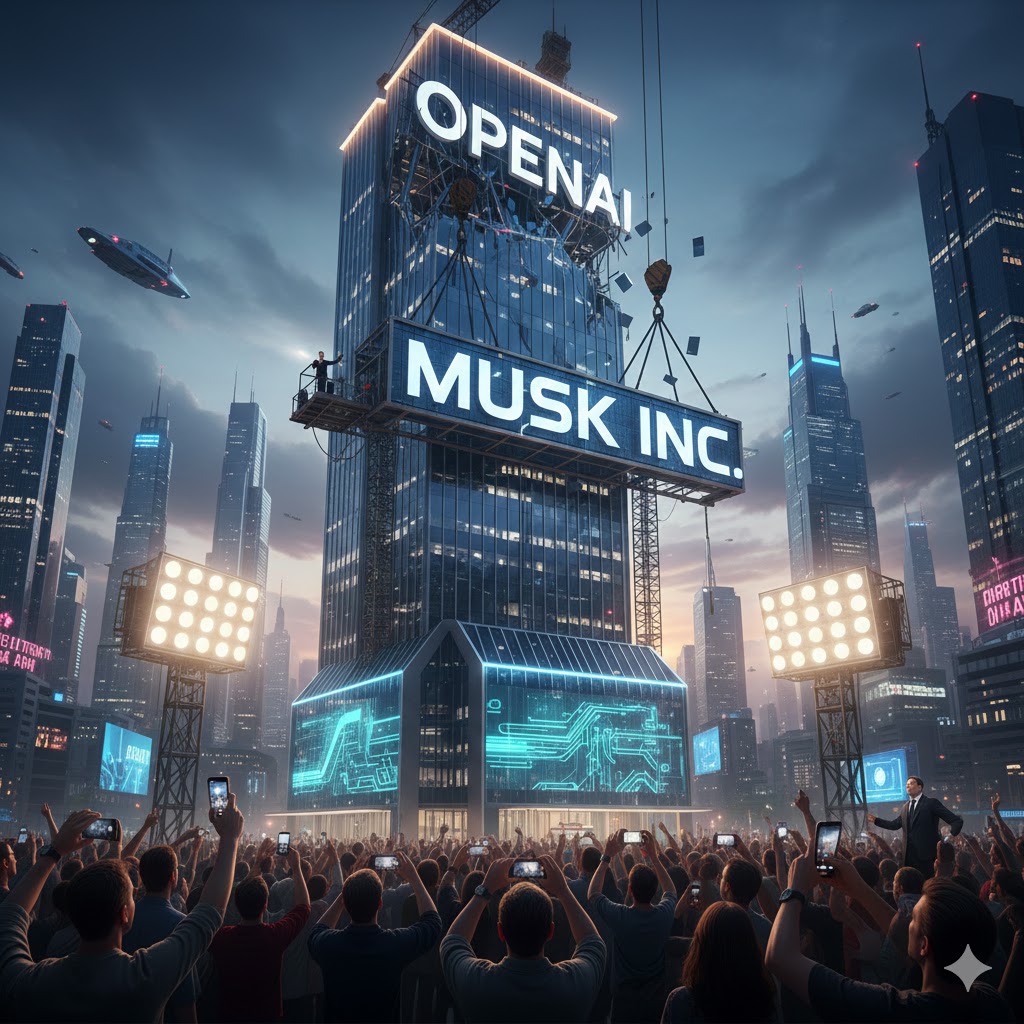
Elon Musk has significantly raised the stakes in his ongoing legal war against OpenAI and its primary partner, Microsoft. In a move that has sent ripples through Silicon Valley, Musk is now seeking between $79 billion and $134 billion in damages. The claim, first reported by Bloomberg, alleges that the AI powerhouse defrauded him by abandoning its original nonprofit mission in favor of a commercialized, closed-source model.
The Valuation Logic
The staggering figures come from expert witness C. Paul Wazzan, a financial economist specializing in complex commercial litigation. Wazzan’s calculation is based on the premise that Musk’s early contributions were the bedrock of the company’s current success.
Musk provided a $38 million seed donation when he co-founded the startup in 2015. Wazzan argues that Musk is entitled to a massive portion of OpenAI’s current $500 billion valuation. If granted, this would represent an incredible 3,500-fold return on his initial investment. The total damages are broken down into two main categories of “wrongful gains”:
-
OpenAI: $65.5 billion to $109.4 billion.
-
Microsoft: $13.3 billion to $25.1 billion (reflecting their roughly 27% ownership stake).
Principles vs. Payouts
Musk’s legal team maintains that he should be compensated like any early startup investor whose vision and capital yield returns “many orders of magnitude” beyond the initial input. However, critics and OpenAI representatives suggest the lawsuit is less about the money and more about personal and professional friction.
Currently, Elon Musk sits atop the global wealth rankings with a fortune of approximately $700 billion. His wealth is so vast that it exceeds the world’s second-richest person, Larry Page, by half a trillion dollars. Furthermore, Tesla shareholders recently approved a historic $1 trillion pay package for him. In this context, even a $134 billion victory would be a relatively small addition to his net worth, leading OpenAI to label the suit a “pattern of harassment.”
Looking Toward Trial
The legal showdown is set to begin in April 2026 in Oakland, California. In anticipation of the trial, OpenAI has reportedly warned investors and partners to expect “deliberately outlandish, attention-grabbing claims” from Musk as he attempts to seize the narrative.
As the trial date nears, the industry remains focused on whether the court will view Musk as a wronged founder seeking to protect a nonprofit vision, or a billionaire attempting to reclaim a stake in the most valuable AI company in the world.
Elon Musk has significantly raised the stakes in his ongoing legal war against OpenAI and its primary partner, Microsoft. In a move that has sent ripples through Silicon Valley, Musk is now seeking between $79 billion and $134 billion in damages. The claim, first reported by Bloomberg, alleges that the AI powerhouse defrauded him by abandoning its original nonprofit mission in favor of a commercialized, closed-source model.
The Valuation Logic
The staggering figures come from expert witness C. Paul Wazzan, a financial economist specializing in complex commercial litigation. Wazzan’s calculation is based on the premise that Musk’s early contributions were the bedrock of the company’s current success.
Musk provided a $38 million seed donation when he co-founded the startup in 2015. Wazzan argues that Musk is entitled to a massive portion of OpenAI’s current $500 billion valuation. If granted, this would represent an incredible 3,500-fold return on his initial investment. The total damages are broken down into two main categories of “wrongful gains”:
-
OpenAI: $65.5 billion to $109.4 billion.
-
Microsoft: $13.3 billion to $25.1 billion (reflecting their roughly 27% ownership stake).
Principles vs. Payouts
Musk’s legal team maintains that he should be compensated like any early startup investor whose vision and capital yield returns “many orders of magnitude” beyond the initial input. However, critics and OpenAI representatives suggest the lawsuit is less about the money and more about personal and professional friction.
Currently, Elon Musk sits atop the global wealth rankings with a fortune of approximately $700 billion. His wealth is so vast that it exceeds the world’s second-richest person, Larry Page, by half a trillion dollars. Furthermore, Tesla shareholders recently approved a historic $1 trillion pay package for him. In this context, even a $134 billion victory would be a relatively small addition to his net worth, leading OpenAI to label the suit a “pattern of harassment.”
Looking Toward Trial
The legal showdown is set to begin in April 2026 in Oakland, California. In anticipation of the trial, OpenAI has reportedly warned investors and partners to expect “deliberately outlandish, attention-grabbing claims” from Musk as he attempts to seize the narrative.
As the trial date nears, the industry remains focused on whether the court will view Musk as a wronged founder seeking to protect a nonprofit vision, or a billionaire attempting to reclaim a stake in the most valuable AI company in the world.