





Navigating the SDV Frontier: 2026’s Critical Crucible for Automotive Engineers
The automotive industry has reached a definitive “leadership crucible” in 2026 as the transition to software-defined vehicles (SDVs) moves from theoretical architecture to a high-stakes operational reality. While the promise of “smartphones on wheels” continues to drive investment, new data reveals that the path to a fully integrated, software-first ecosystem is fraught with mounting regulatory burdens and technical complexities.
The Integration and Regulatory Bottleneck
Engineering leaders are sounding the alarm on a growing “integration gap”. According to a recent study, 52% of Vice Presidents of Engineering cite software integration as their primary hurdle, yet only 37% of front-line developers share this concern. This 15-point disconnect suggests that the cumulative impact of delays and cost overruns is often underestimated at the implementation level until it threatens start-of-production (SOP) dates.
Furthermore, the regulatory landscape has become a primary driver of development delays. In 2024 alone, over 500 new automotive technology regulations were introduced globally. Compliance with standards such as the Cyber Resilience Act and ISO/SAE 21434 for cybersecurity now accounts for significant timeline extensions, with one-third of developers reporting direct delays tied to these evolving mandates.
A Shift in Investment Strategy: Speed Over Perfection
In response to these challenges and the rapid “speed of change” demonstrated by Chinese OEMs, global automakers are fundamentally shifting their investment strategies for 2026:
-
From “Build” to “Partner”: 93% of developers now believe partnerships are vital. OEMs are increasingly outsourcing non-differentiating “software plumbing” to focus engineering resources on the application layer where brand loyalty is built.
-
ROI-Driven Roadmaps: The “SDV strategy” is being replaced by P&L accountability. Investors are demanding clearer returns on software, leading to a focus on monetization and lifecycle value through subscription models and over-the-air (OTA) updates.
-
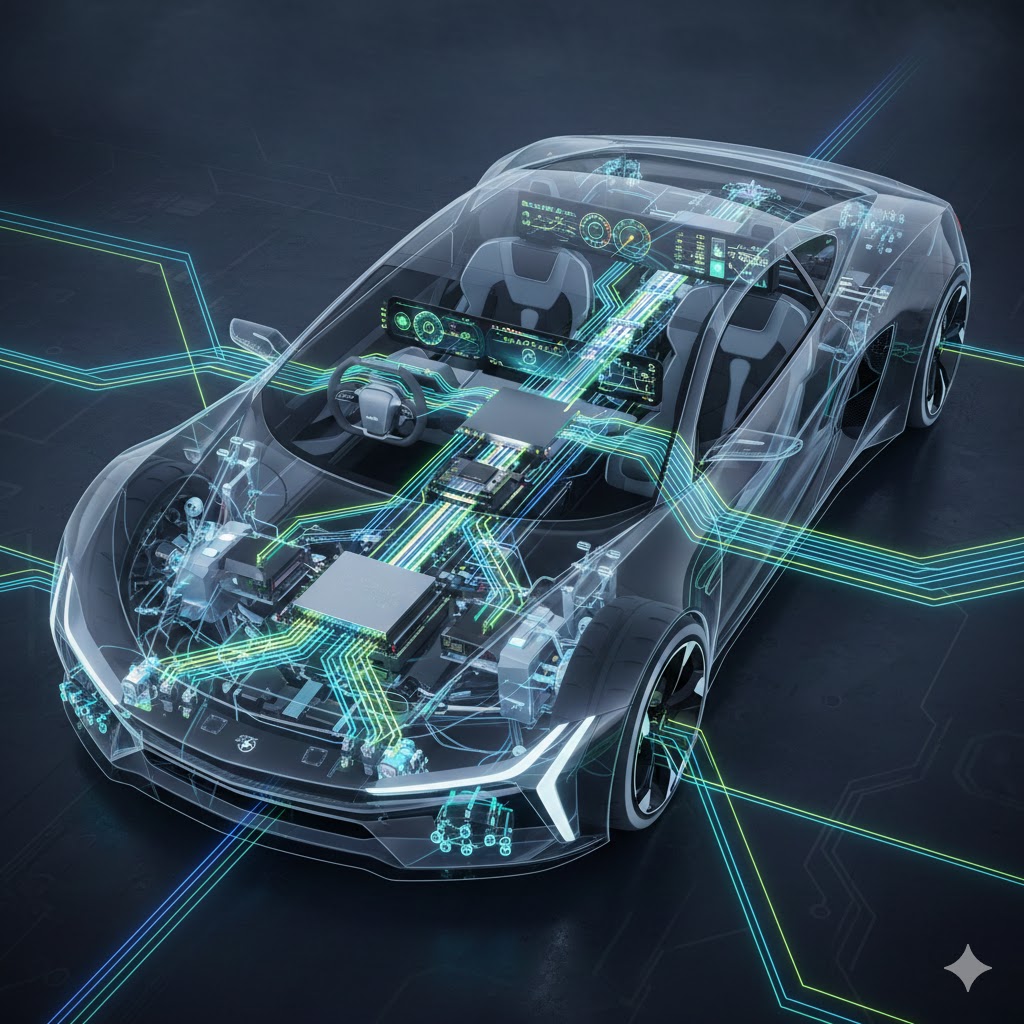
Centralized Computing Transition: To manage the shift from 100 million to over 500 million lines of code, automakers are consolidating fragmented electronic control units (ECUs) into high-performance, centralized processors.
The 2026 Outlook: AI-Defined Mobility
As seen at CES 2026, the industry is already moving beyond the “software-defined” label toward “AI-defined” mobility. Artificial intelligence is no longer just a feature layer but a core operating principle, powering everything from proactive “AI Cabin Platforms” to automated supply chain decision engines. For automakers to survive this era, they must abandon legacy siloed thinking and embrace an agile, partnership-driven model that prioritizes engineering velocity over vertical integration.