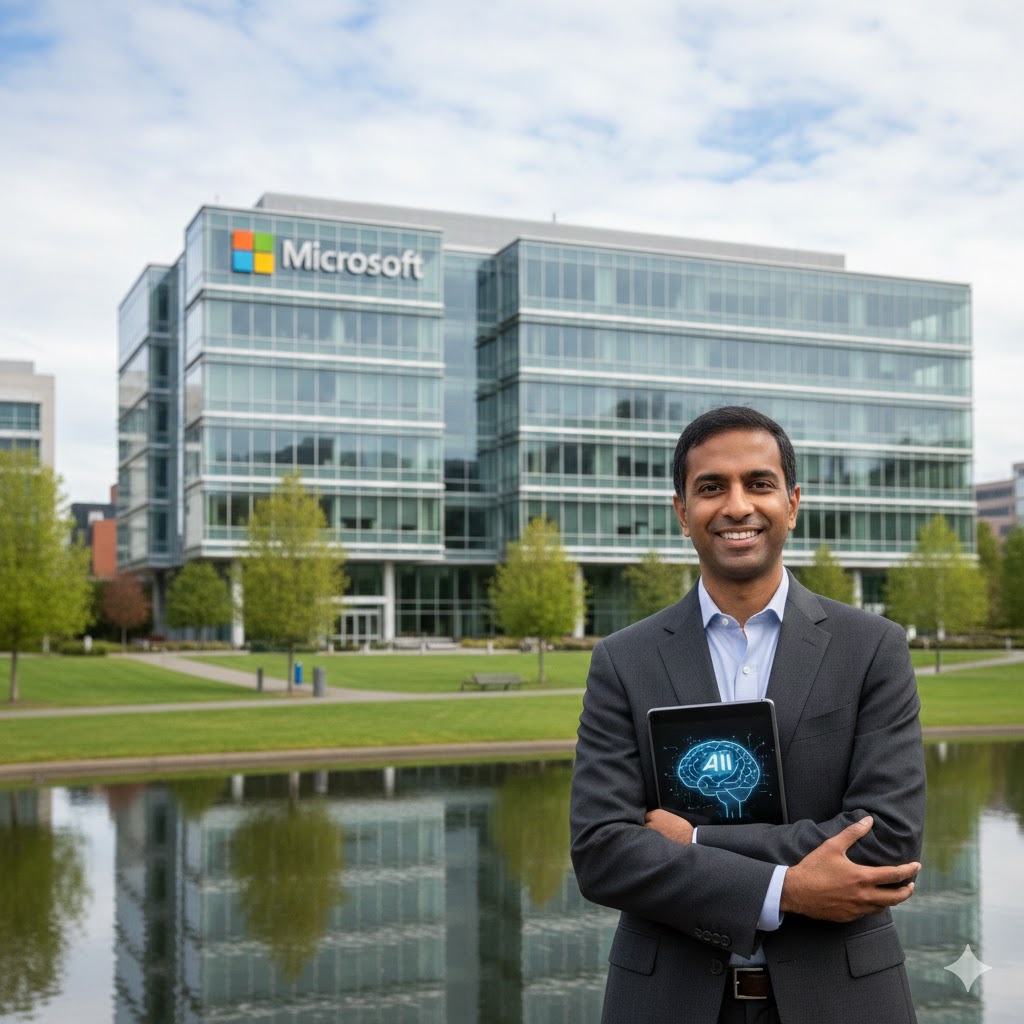
Microsoft CEO Satya Nadella is championing a shift in the public perception and strategic deployment of Artificial Intelligence, urging for a move beyond the initial “discovery phase” towards a more focused and collaborative approach. In a recent post on his new blog, “sn scratchpad,” Nadella outlines his vision for 2026, emphasizing three key areas the tech industry and society must address to unlock AI’s true value.
Nadella’s message comes at a crucial time for Microsoft, as the company seeks to reassure investors and customers about the long-term financial viability of its significant AI investments, particularly in Copilot subscriptions and cloud AI services. He likens the current stage of AI development to “the opening miles of a marathon,” acknowledging the unpredictability that still lies ahead while asserting that widespread diffusion is already underway, citing Pew Research indicating 62% of US adults interact with AI weekly.
The first critical area Nadella highlights is the development of a “theory of mind” that positions AI as an amplifier of human capabilities, rather than a replacement for human labor. Drawing inspiration from Steve Jobs’ “bicycles for the mind” metaphor for computers, Nadella argues that products and systems should be designed with this human-centric amplification in mind. This perspective is particularly pertinent given Microsoft’s own research on AI’s labor impact, which has necessitated reassurances that job elimination is not the primary goal.
Secondly, Nadella advocates for a transition from focusing solely on individual AI “models” to building robust “systems” that orchestrate multiple models and agents. These systems, he explains, would account for memory and entitlements, enabling “rich and safe ‘tools use.'” This shift suggests a more integrated and sophisticated approach to AI deployment, aiming to improve the reliability and effectiveness of AI agents, which have sometimes been criticized for high failure rates.
Finally, the Microsoft CEO stresses the importance of making thoughtful and consensual decisions about how and where AI resources—energy, compute, and talent—are deployed to achieve “real world impact.” He calls for a societal consensus on these socio-technical issues, implying a need for collective strategy rather than fragmented implementation. However, the article subtly points out that “building consensus” in practice has sometimes involved aggressive promotion of AI despite public protestations, significant lobbying efforts, and expressions of bafflement at resistance to the technology.
In essence, Nadella is leading a charge to reframe the narrative around AI, moving it from a realm of speculative wonder and job displacement fears to one of human empowerment, systemic integration, and strategically guided real-world application. His call for consensus, while ambitious, underscores Microsoft’s commitment to shaping not just the technology itself, but also its societal integration and acceptance.