ADVERTISE WITH USReach Embedded Science readers →
U.S. Army Selects Navitas for 10-kV SiC Semiconductor Development
Navitas says the U.S. Army selected it for ALATTIS, a program to develop domestic manufacturing of 10-kV SiC IGBTs and PiN diodes.
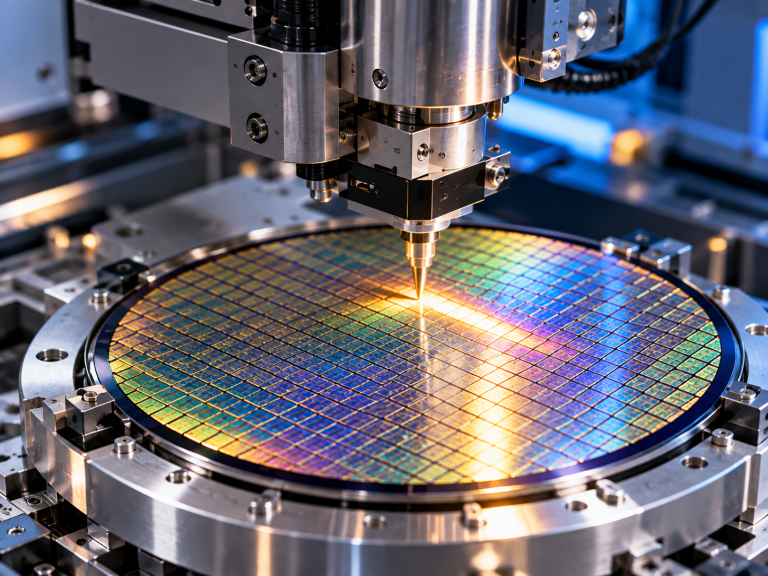
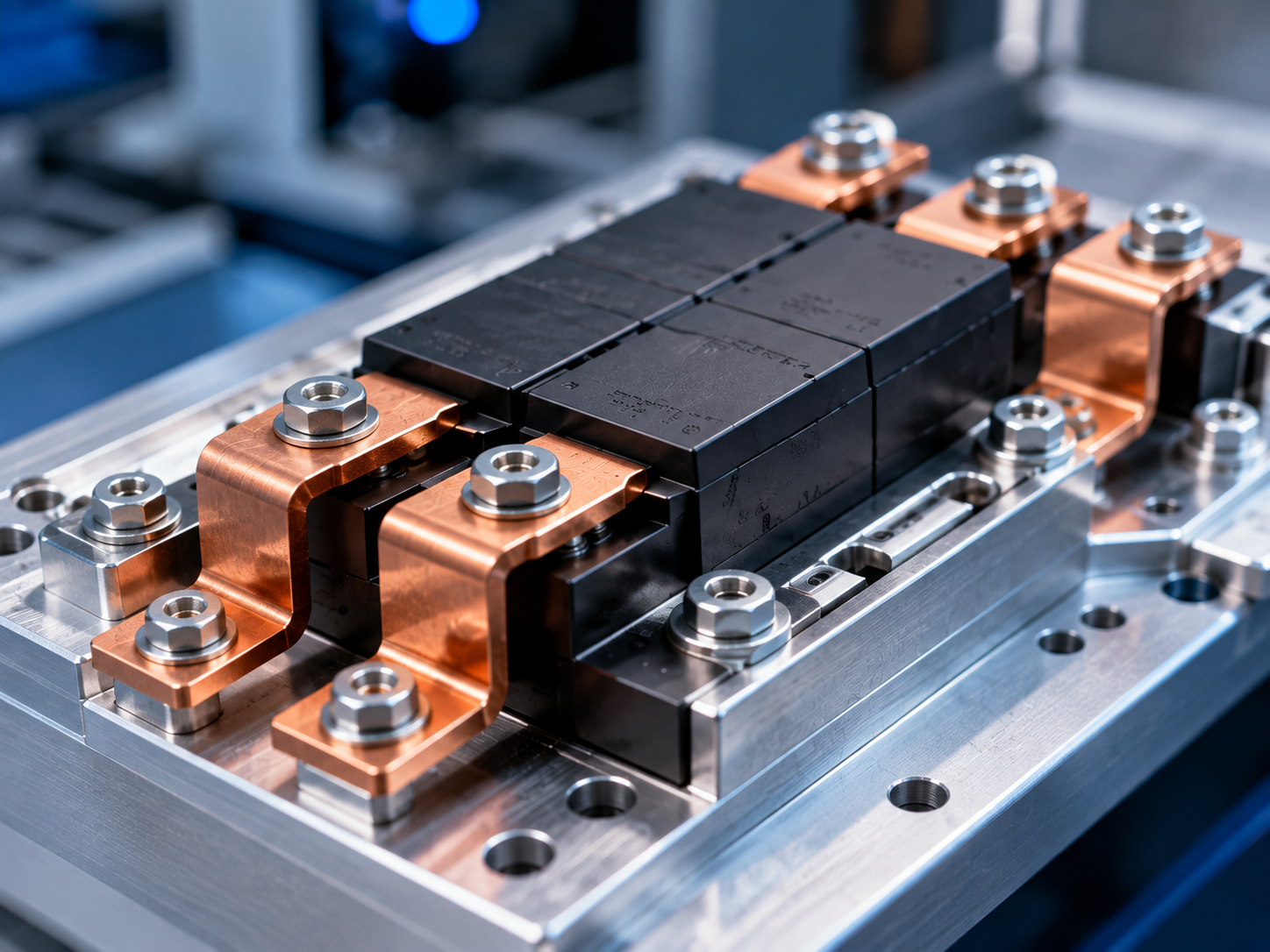
Navitas Semiconductor announced on September 28, 2026, that the U.S. Army selected the company for the ALATTIS (Accelerated, Large-Area, 10 kV SiC IGBT) prototype program. The effort focuses on developing and validating a domestic manufacturing process for ultra-high-voltage silicon-carbide power devices, including 10-kV insulated-gate bipolar transistors (IGBTs) and associated PiN diodes.
The selection is a development award, not an announcement that commercial 10-kV IGBTs are available. The technical objective is to establish a process through iterative device design, fabrication and testing.
What ALATTIS Is Intended to Develop
The Army Research Laboratory (ARL), operating within the U.S. Army’s DEVCOM research organization, sponsors the prototype project. The Joint Experimentation and Technology Accelerator (JETX) supports the effort. According to Navitas, the program seeks a domestic manufacturing process that is not currently available for this device class.
At voltages around 10 kV, device design and manufacturing face demanding requirements for blocking capability, switching performance, insulation, reliability and fabrication yield. The announced program will examine whether an industrial process can meet those requirements for defense and critical-infrastructure power electronics.
Why 10-kV Silicon Carbide Matters
Silicon carbide is a wide-bandgap semiconductor used in power conversion because it can support higher electric fields than conventional silicon. At elevated operating voltages, the semiconductor’s properties can help designers build high-power switching devices, although packaging, cooling, reliability and overall system design remain critical.
Potential applications include high-voltage power-conversion equipment serving military platforms and infrastructure. The announcement does not provide measured performance for a completed ALATTIS 10-kV device, so the program’s outcomes remain to be demonstrated.
Building on Navitas’s Existing Portfolio
Navitas markets its GeneSiC silicon-carbide portfolio for voltage classes from 650 V to 6.5 kV, including devices based on its trench-assisted planar (TAP) MOSFET architecture. The company cites earlier milestones including 6.5-kV SiC thyristors in 2010, 10–15-kV PiN diodes in 2012 and commercial release of 6.5-kV SiC MOSFETs in 2021.
For ALATTIS, the proposed development goes beyond MOSFETs to a 10-kV SiC IGBT incorporating elements of the company’s patented TAP approach and advanced PiN diode technology.
Manufacturing Is Central to the Award
The emphasis on a U.S.-anchored supply chain is significant. Producing an ultra-high-voltage device in a laboratory is different from demonstrating a repeatable manufacturing process with the quality and reliability needed for mission-critical applications. Navitas describes domestic process validation as a core deliverable of the prototype effort.
In its announcement, Siddarth Sundaresan, Navitas’s senior vice president and chief technology officer, characterized ALATTIS as a step toward extending the company’s ultra-high-voltage work beyond SiC MOSFETs into 10-kV IGBTs. That remains a company assessment rather than independently validated program performance.
Development Status
As announced, ALATTIS is a prototype research-and-manufacturing program. Navitas has not provided a product price, ordering number, production date or independent test results for an ALATTIS 10-kV IGBT. Engineers should distinguish the proposed 10-kV IGBT process from the company’s existing commercial GeneSiC products.
Source and Contact
Source: Navitas Semiconductor, U.S. Government Selects Navitas to Develop Next-Generation 10 kV SiC Power Semiconductors, company announcement dated September 28, 2026. Technical inquiries: [email protected]. The announcement also includes forward-looking-statement cautions; proposed device performance, manufacturing outcomes and commercial availability are not assured.