Why Ferroelectric Memory Matters for Small AI Devices
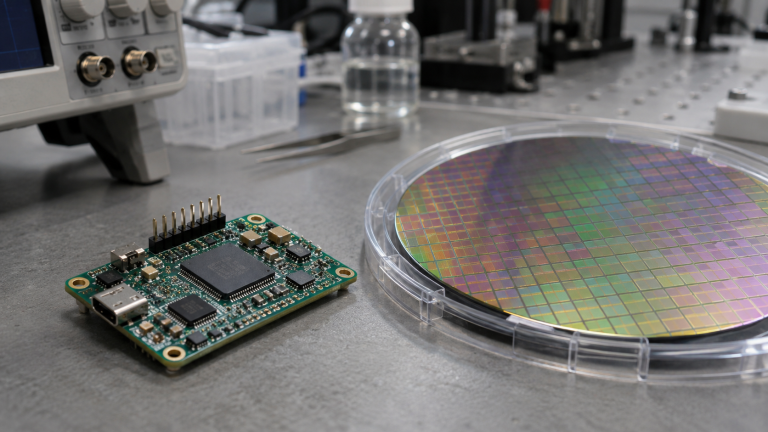
Small AI systems need memory that fits their space and power budgets. CEA-Leti’s research addresses both memory density and the challenge of retaining or updating information efficiently.
Small AI systems need memory that fits their space and power budgets. CEA-Leti’s research addresses both memory density and the challenge of retaining or updating information efficiently.
As the automotive industry pivots from the “Software-Defined Vehicle” (SDV) era to the “AI-Defined Vehicle” (AIDV), we are witnessing a fundamental shift in how vehicles are conceived, engineered, and operated. While an SDV uses software to manage vehicle behavior and…

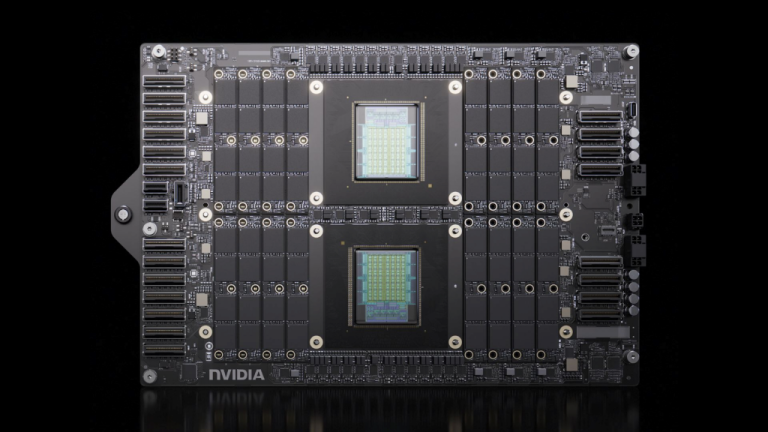
NVIDIA has officially unveiled the Vera Rubin platform, positioning it not just as a GPU refresh, but as a holistic, seven-chip AI supercomputer. Designed for agentic inference and test-time scaling, the architecture treats the entire data center rack as a…

AI on the Edge (TinyML): The Future of Intelligent Devices TinyML brings AI to small, low-power devices, enabling real-time decision-making at the source. It addresses the limitations of cloud-based AI by reducing latency, enhancing privacy, and optimizing energy consumption. While…

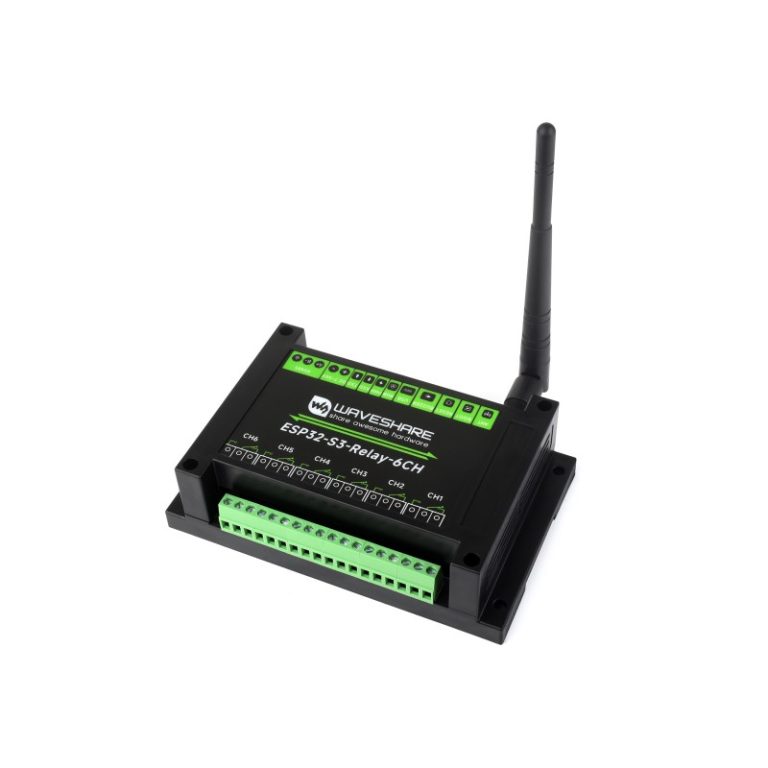
The Powerhouse of IoT: An Overview of the ESP32-S3 The ESP32-S3 is a high-performance system-on-chip (SoC) designed by Espressif Systems, specifically engineered to meet the growing demands of AI-accelerated Internet of Things (IoT) applications. Combining powerful processing, robust wireless connectivity,…

GigaDevice Announces New GD32F5 Series Cortex®-M33 High-Performance MCUs NUREMBERG, Germany — April 9, 2024 — GigaDevice, a global leader in Flash Memory, 32-bit Microcontrollers, Sensors, and Power Management, has officially launched the GD32F5 series of high-performance microcontrollers. Built on the…

Infineon Technologies has officially launched its PSOC™ Edge family, a high-performance microcontroller (MCU) lineup designed to redefine intelligence at the edge. As modern devices move toward more intuitive and autonomous operations, this new generation of MCUs bridges the gap between…

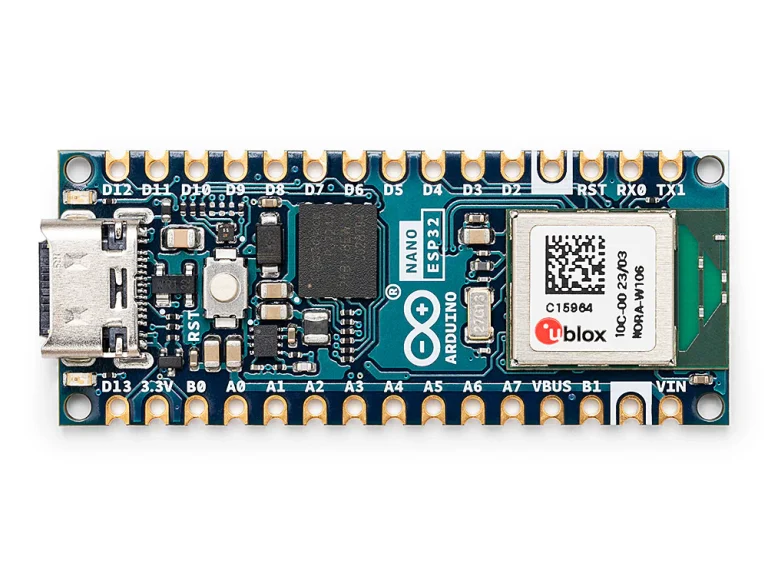
Powerful Dual-Language Development: The board features a u-blox® NORA-W106 (ESP32-S3) microcontroller that supports both traditional Arduino (C++) and MicroPython. This flexibility allows developers to choose between the performance of C++ or the rapid prototyping capabilities of Python. Robust Connectivity…